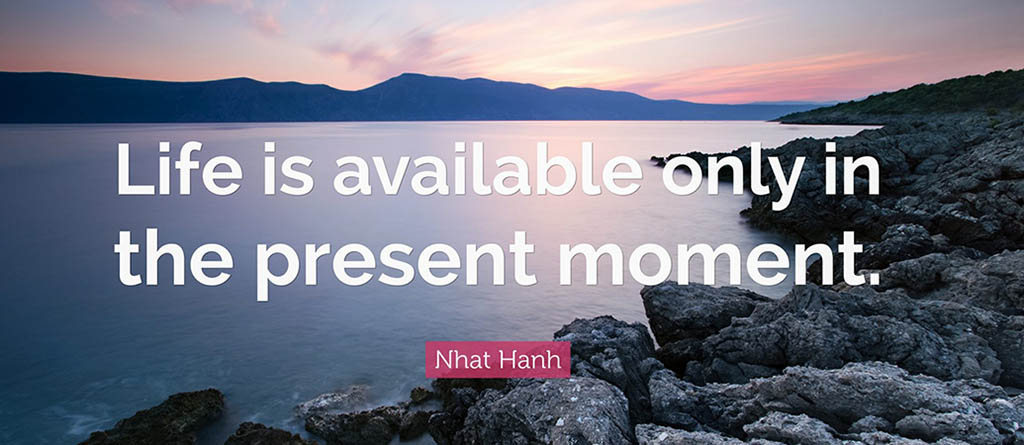
Live in the Moment — The First and Most Important Rule

In our fast-paced, digitally driven world, it’s easy to drift mentally — into the past with regrets or into the future with anxiety. Many people spend their lives either revisiting old wounds or worrying about what hasn’t yet come. But what if there were a simple, powerful shift that could bring clarity, peace, and emotional resilience? As a professional psychologist with over 12 years of experience, I can confidently say that learning to live in the present moment is not only transformative — it’s the first and perhaps most important rule of my psychological method.

Living in the present moment means being fully engaged with what is happening right now. It’s not about denying your past or ignoring the future — it’s about not allowing them to control your current state of being. When you’re anchored in the present, you’re more capable of making conscious decisions, connecting with others meaningfully, and managing your emotions with balance and clarity.

Psychological science supports this. Many studies show that people who focus more on the present experience lower levels of stress, depression and anxiety. They report greater life satisfaction, improved relationships, and enhanced focus and creativity.

But beyond science, present-moment awareness is a deeply human need. It’s where life actually happens. Everything else is either memory or imagination.

The First Rule of My Method

Over the years, I’ve worked with individuals struggling with a wide range of emotional challenges — anxiety, burnout, relationship conflicts, trauma, depression, career indecision, and more. In each case, the first step I guide clients through is one that often surprises them: Come back to the present.

Why is this the first rule?

Because all change begins here and now. You can’t heal a wound you’re not aware of. You can’t shift a belief you’re not observing. You can’t find peace in a past that’s over, or certainty in a future that hasn’t come. Real psychological progress starts with the awareness of this very moment — your thoughts, your emotions, your body, your environment.

Without presence, therapy becomes theory. With presence, it becomes transformation.

What Living in the Moment Looks Like

Many people imagine “living in the moment” as something vague or overly spiritual — but it’s actually practical and learnable.

It looks like:

  • Noticing your breath when you’re feeling overwhelmed.
  • Listening deeply in a conversation, instead of mentally rehearsing your reply.
  • Paying attention to the sensations in your body rather than ignoring them.
  • Letting go of judgments about what “should” be happening, and observing what is happening.
  • Refocusing your mind when it drifts to the past or future.

These small acts of awareness add up. They create space. And in that space, change can happen.

Why We Resist the Present

If the present moment is so powerful, why do so many people avoid it?

Because most of the time it is uncomfortable. When you stop distracting yourself and really tune in, you might come face to face with difficult emotions — sadness, guilt, fear, emptiness. That’s absolutely OK! The key is to observe these feelings rather than react to them or push them away.

Avoiding the present is a learned habit — often developed as a coping mechanism. But avoidance only amplifies suffering. Facing the present with compassion and courage, even when it’s hard, is the first act of true healing.

The Role of Online Therapy in Present-Moment Awareness

Online therapy offers a safe, structured, and private space where you can learn and practice presence. From the comfort of your own environment, we work together to:

  • Develop mindfulness techniques tailored to your lifestyle.
  • Break free from obsessive thinking about the past or future.
  • Rebuild your connection to your own emotions and body.
  • Recognize patterns that pull you out of the moment.
  • Learn how to “return home” to the here and now, even during stress.

In our online sessions, we don’t just talk about the present — we experience it together. Every session becomes an invitation to reconnect with life as it is, right now.

Present Awareness as a Foundation for Your Growth

Once you begin to live in the present, everything else becomes more accessible:

  • Healing trauma becomes more manageable when you’re not constantly reliving the past.
  • Reducing anxiety becomes possible when you’re not lost in what-ifs.
  • Improving relationships starts when you truly listen and connect.
  • Building confidence grows when you stop comparing yourself to past failures or future expectations.
  • Making decisions becomes easier when you’re not paralyzed by future fears or stuck in old stories.

All psychological tools — cognitive reframing, emotional regulation, self-compassion, assertiveness training — are more effective when practiced from a place of grounded presence.

Exercises You Can Start Today

If you’re curious about how to live more in the present, here are a few simple techniques you can try right now:

1. The 5-4-3-2-1 Grounding Exercise

Name:

  • 5 things you can see
  • 4 things you can touch
  • 3 things you can hear
  • 2 things you can smell
  • 1 thing you can taste

This helps center your mind and body in the present through the five senses.

2. Breathe Consciously

Set a timer for 3 or 5 minutes. Simply follow your breath in and out. If your mind wanders, gently bring it back to the breath. That’s the practice.

3. Mindful Transitions

Instead of rushing from one task to the next, pause. Take a breath. Notice where you are. Then continue. Presence lives in the pauses.

These exercises may seem simple and easy — but practiced consistently, they reshape your experience of life.

Let’s Begin Together

You don’t have to master presence alone. As a professional psychologist with years of experience guiding people through life’s most difficult emotions and transitions, I’m here to support you on this journey — with understanding, structure, and practical tools.

No matter what you’re struggling with — whether it’s anxiety, uncertainty, relationship pain, or just a general feeling of being stuck — coming back to the present moment is where real change begins.

A Call to Pause and Reflect

Ask yourself: When was the last time I was truly present? Not thinking about tomorrow. Not ruminating on yesterday. Just fully here — alive and aware.

If that question feels confronting or even sad, that’s okay. It’s a sign that something inside you is ready to wake up. And I’d be honored to help you do that.

Free Brief Online Consultation Also Available

If you’re not sure where to begin, or simply want to ask a question about your situation, I offer free brief consultation online. It’s my way of ensuring that anyone — regardless of their current resources — has a chance to receive support when it matters most.

FREE Brief Online Consultation

A quick yet meaningful opportunity to be heard, gain clarity, and receive expert support — exactly when you need a guiding voice the most.

Living in the present moment isn’t a luxury. It’s not something reserved for the few who have time for meditation or self-help books. It’s a basic human necessity — the foundation for a more meaningful, peaceful, and empowered life.

Let this moment — right now — be the one where everything begins to change.

Book your first online consultation or contact me today and let’s rediscover the power of now — together.

Some Questions from my clients

Living in the present moment helps reduce anxiety, stress, and emotional overwhelm by shifting focus away from regrets about the past or worries about the future. It grounds you in what is real and manageable — the here and now. This presence fosters clarity, emotional stability, and a stronger connection with yourself and others. Over time, it becomes a powerful foundation for healing and personal growth.

Many people struggle with overthinking, unresolved past trauma, or excessive worry about the future — all of which can pull them out of the present. Distractions from technology, constant multitasking, and emotional avoidance also play a major role. Often, we don’t even realize how much time we spend mentally elsewhere. Learning to recognize these patterns is the first step toward becoming more present.

Absolutely anyone can learn to live more in the moment. You don’t need to be a meditation expert or follow any specific spiritual practice. Small, intentional shifts — like focusing on your breath, noticing your surroundings, or doing one task at a time — can quickly improve present-moment awareness. It’s a skill that grows stronger the more you practice it in everyday life.

When you're fully present with someone, you listen more deeply and respond more thoughtfully. You become more empathetic, less reactive, and better able to understand the other person's needs and emotions. This kind of presence fosters trust, emotional intimacy, and real connection. Relationships thrive when people feel seen and truly heard in the moment.

Start by pausing and taking a conscious breath whenever you feel overwhelmed or distracted. Try to engage your five senses during routine activities — like eating, walking, or even washing dishes. Put away your phone during conversations and focus fully on the person you're speaking with. These small, mindful actions help train your brain to stay grounded in the here and now.

OTHER  RULES

MY FINAL RULE

Discover the importance of laughing, smiling, and having fun every day as the final step toward lasting emotional well-being. Find out how daily joy not only boosts mental health, but also strengthens relationships and enriches life.

MY SECOND RULE

Explore how my next rule will help you break free from obligation-driven living, reduce stress, and create a life that feels authentic, joyful, and fully your own. Dive in some practical guidance and inspiration for making choices that honor your real desires.

LET'S  TALK

Take the step toward a more peaceful and empowered life — book your first online consultation with a professional psychologist today and give yourself the care you truly deserve.

socratov@pm.me

BOOK  CONSULTATION